
Who we work for
Scattered organic streams. New valorisation opportunities.
Agrolinera helps organise and digitalise the collection of by-products generated by small producers, making them more traceable and easier to put to use.
We adapt to the type of stream, the volume and the territory to make collection viable and connect it with potential valorisers.
How we work
One method, any stream
The problem is rarely the waste itself, but that it is spread across many producers, in small and variable quantities. Our system turns that dispersion into a single, controlled, valuable stream.
- 01
We characterise
We study what is generated, how much, where and when. It is the starting point for designing a solution tailored to each territory and each stream.
Tailored assessment - 02
We aggregate
We manage many generators as if they were one: a “virtual generator” with optimised routes and capillary logistics that cut the cost of collection.
Virtual generator - 03
We preserve and pre-treat
With equipment sized to each producer, we stop the waste from degrading and avoid transporting unnecessary water.
Equipment at source - 04
We trace and valorise
We measure the stream from source and send it to the best possible use: fertiliser, food and feed, or energy.
Best destination
The result is waste that retains its value, a lower management cost and verifiable proof of sustainability for every stakeholder.
Profiles
Who we work with
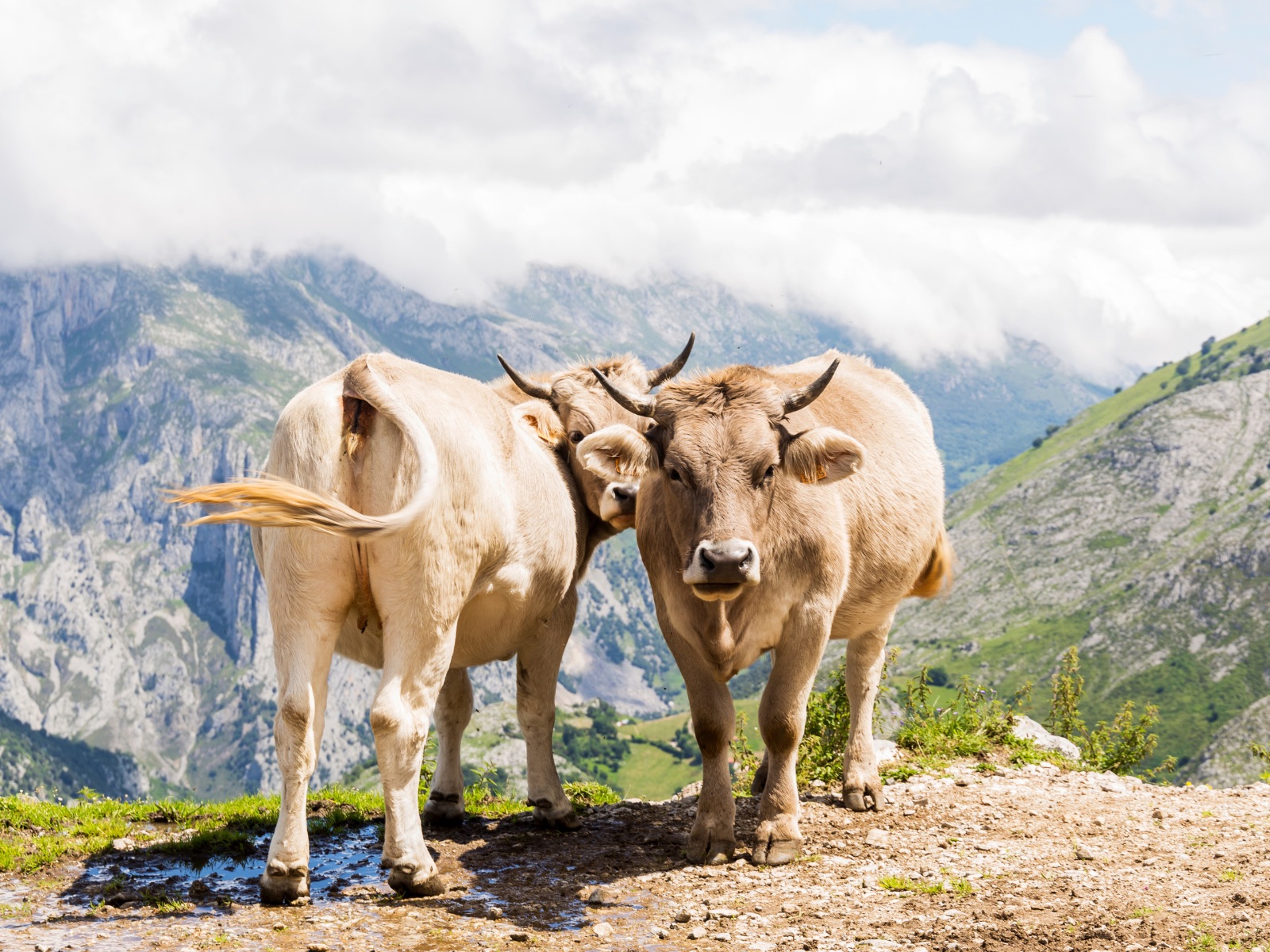
Source
Producers
Livestock farms, cheese dairies, agri-food businesses and any activity that generates organic waste or by-products. We take care of managing them so you can focus on producing and growing.
See more
Managing waste takes time, space, fuel and rigorous regulatory compliance. For a small producer, moreover, the volume is not enough to pay off their own equipment or to find someone to valorise it.
Agrolinera provides the technology, the equipment and the logistics coordination at community level. We install pre-treatment and controlled storage systems adapted to your farm, collect as often as the stream requires and give you traceability of where it ends up.
That way, waste stops being a limit on your growth and becomes proof of good management.
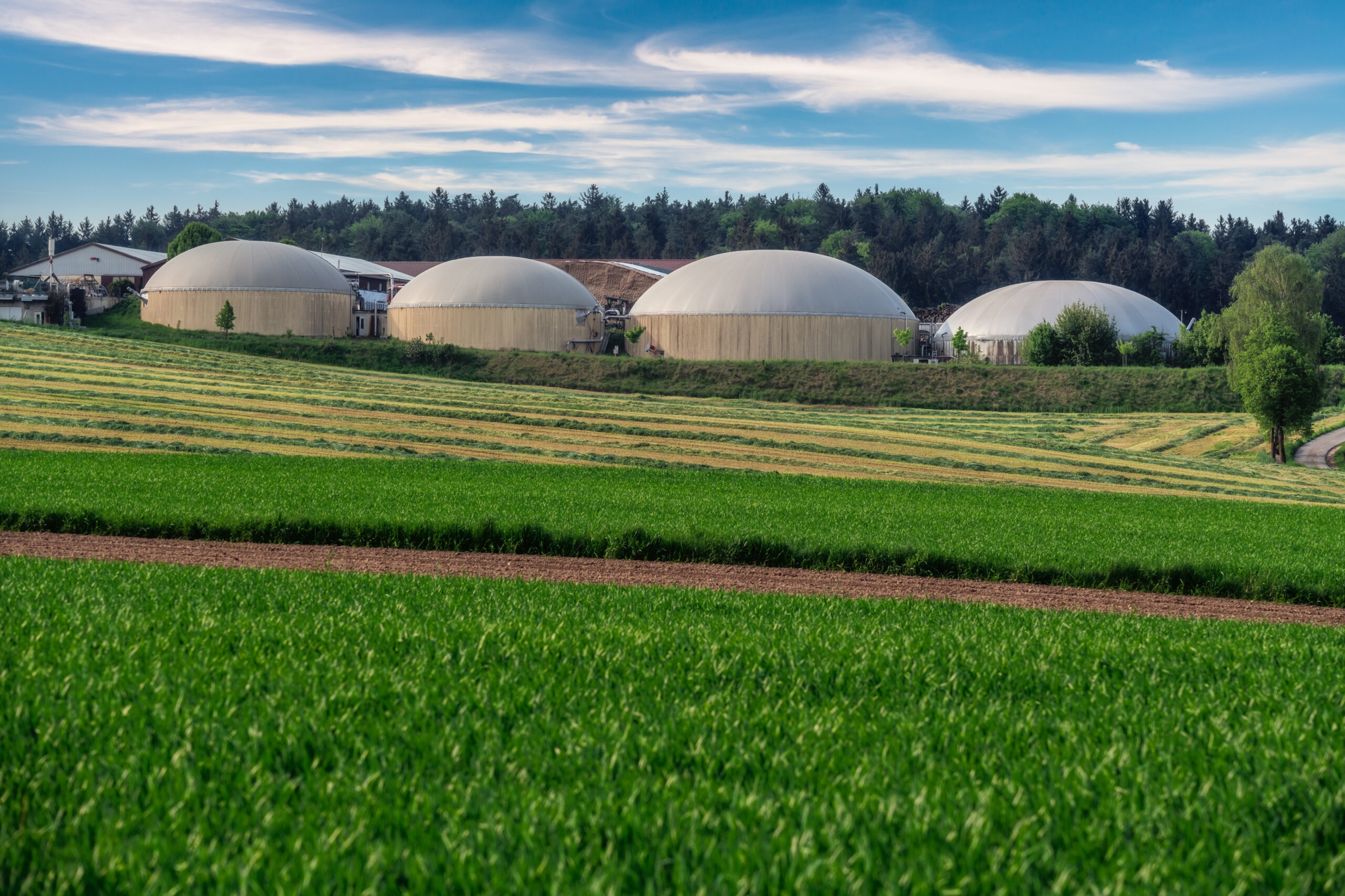
Destination
Valorisers
Biogas and biomethane plants, composting, fertiliser manufacturers and other processes that need a steady, traced, high-quality feedstock.
See more
Organic streams from many small producers are often the hardest to use. They arrive degraded, with a lot of water, with variable composition and at a high logistics cost.
Agrolinera acts as the link between source and plant. We aggregate scattered supply into a planned feedstock, pre-treat at source so as not to transport water, and monitor the waste’s parameters before it reaches your facility.
The result is a more stable supply, with traceability by producer and its valorisation potential preserved.
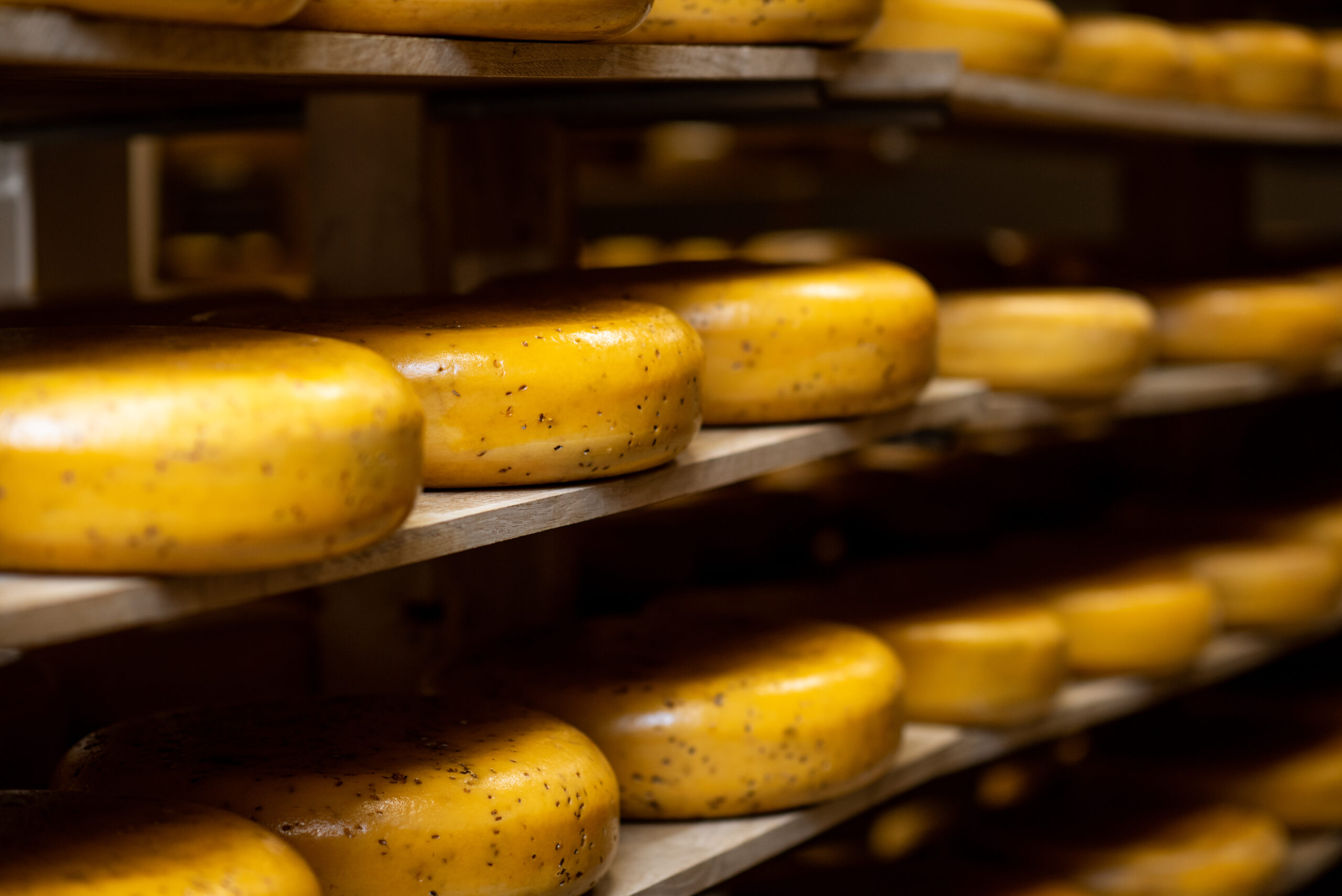
Value chain
Industry and value chain
Processors, cooperatives and brands that want to measure, incentivise and communicate the sustainability of their suppliers.
See more
A significant share of agri-food production comes from small and medium-sized producers, who play a key economic and social role in their territory. Demonstrating their sound environmental management is increasingly necessary.
Agrolinera provides verifiable traceability of waste management at source. With it you can incentivise good practice through sustainability bonuses, meet your environmental commitments and make that effort visible to consumers.
When your own operations generate by-products, such as whey or other process streams, we look to reintroduce them into the food or feed chain. When that is not possible, we recover their energy or fertiliser value.
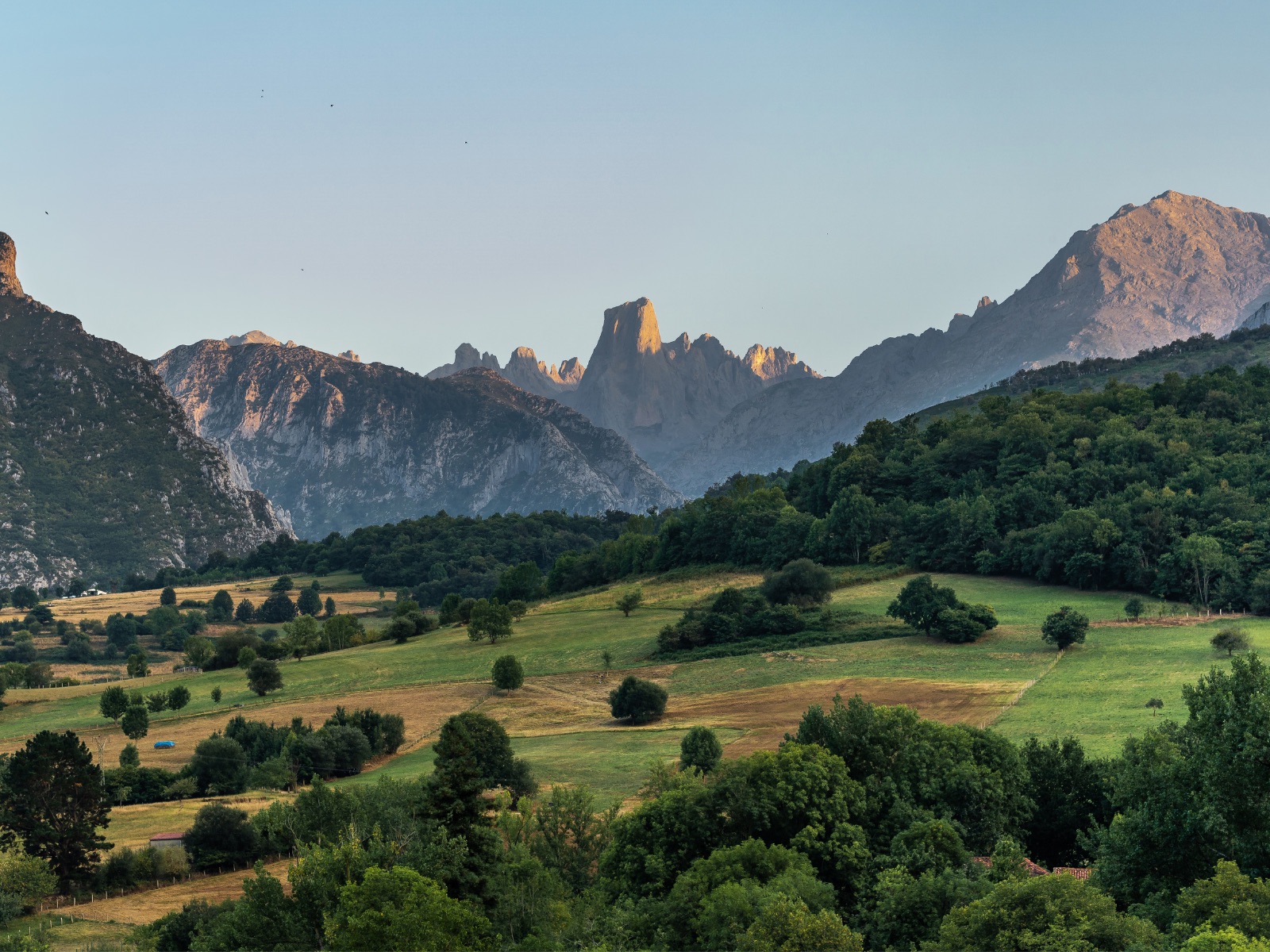
Territory
Public administration
We work with public authorities to design territorial management systems that turn waste into a source of local wealth.
See more
Sustaining primary-sector activity is key to tackling rural depopulation. For it to grow, it must comply with European regulations without a farm’s size or location being a disadvantage.
Agrolinera works with public authorities from the design stage. We define management systems that adapt to the territory and its streams, that harmonise productive activity with the interests of local people and that benefit all local stakeholders.
This is how we make possible circular economy projects that create jobs and value within the territory itself.
Streams
Some of the streams we already work with
These are examples, not a closed catalogue. Our method adapts to new streams and territories.
Dairy industry
Dairy whey
Community-level management and valorisation as food or feed or, where that is not possible, as energy.
Cocoa · Peru
Cocoa mucilage
We work with cocoa cooperatives in the Peruvian Amazon to collect the mucilage lost during bean extraction and turn it into raw material for new products.
Livestock · In progress
Slurry and manure
Fraction separation, retention of the liquid fraction as fertiliser and frequent collection to preserve its energy potential.
Your case
Is your stream not listed here?
Tell us what you generate, how much and where. We will assess its viability and propose a tailored solution.
Real case
The method, in practice
In the Cabrales Project we apply this system to managing the whey from the artisan cheese dairies of the Cabrales PDO, in Tielve, within the Picos de Europa National Park. It is an example of how our method works, and we can replicate it in other streams and territories.
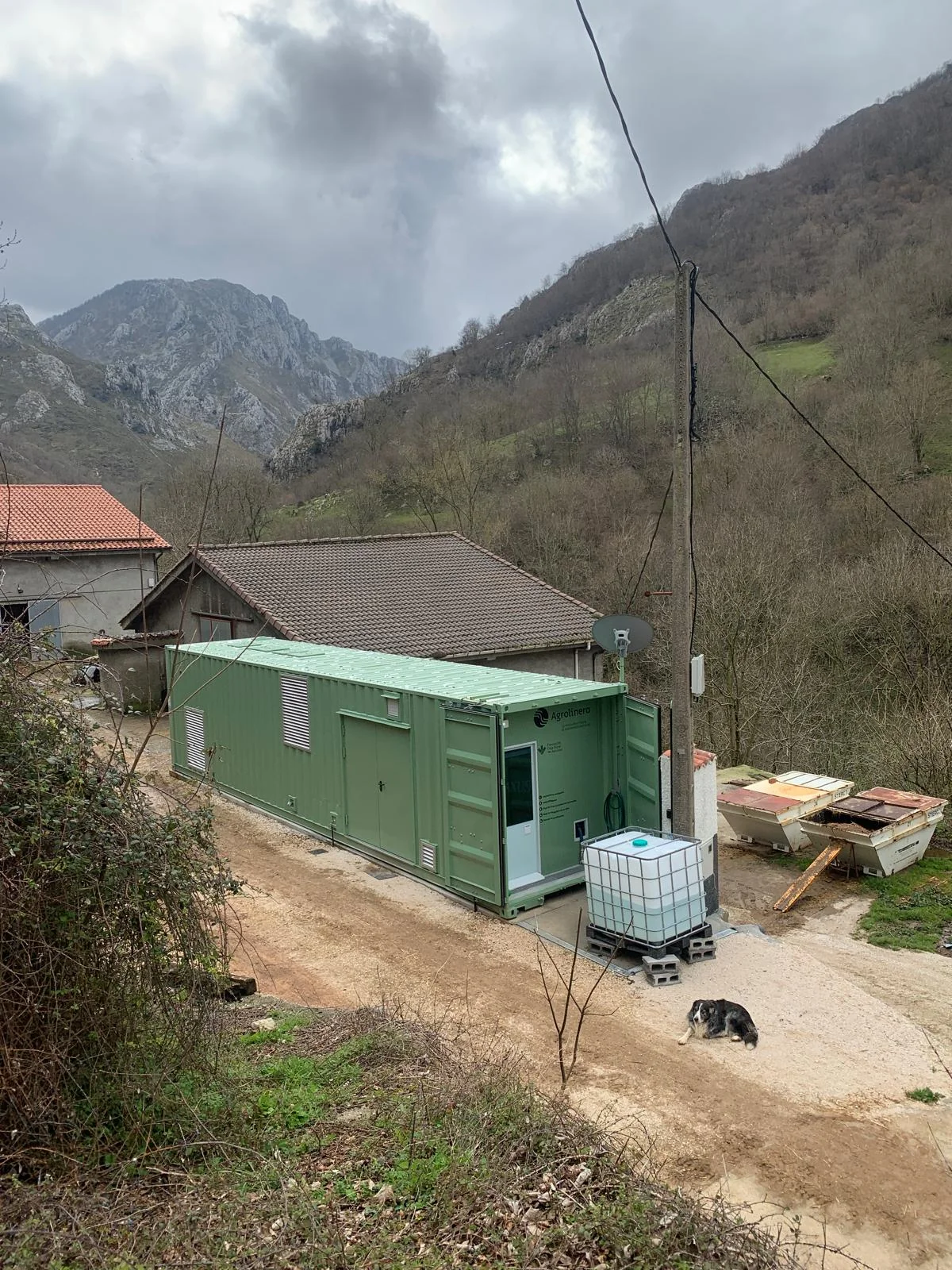
Every territory and every stream is different.
Our system is designed to adapt to them.