Cabrales · Picos de Europa · Asturias
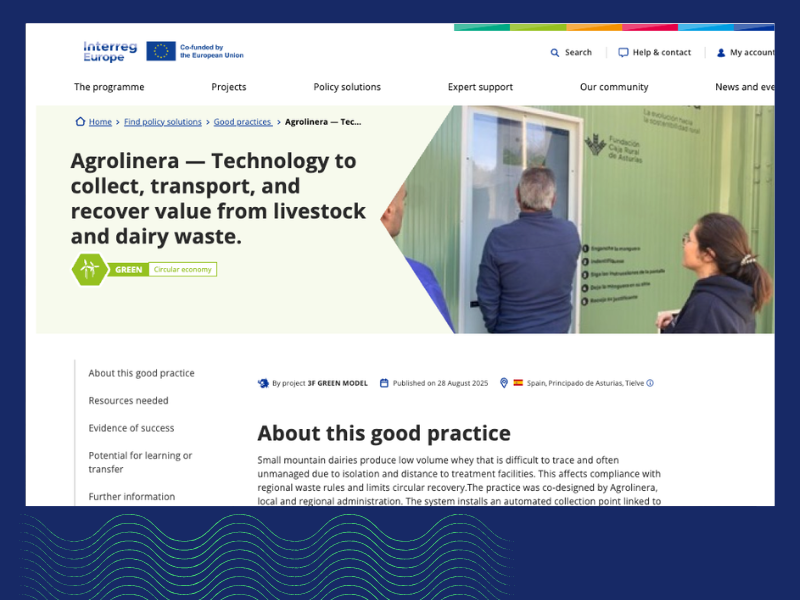
Agrolinera has developed infrastructure to digitalise the collection of whey and slurry and to know their condition from source.
Context
Livestock farming has changed profoundly over recent decades, in Asturias too.
For a long time, the territory was made up of small family farms scattered across different areas. This structure fostered a local balance in which much of the material generated by livestock farming and cheesemaking could be put to use locally.
Slurry and manure, for example, were used on farmland and pasture. Whey also found local outlets, including its use as animal feed.
Over the years, this structure has been changing. There are fewer and fewer farms, and activity is increasingly concentrated in those that remain.
Livestock farming and cheesemaking
In Cabrales, livestock farming and cheesemaking are fundamental activities. Sustaining livestock farming also means sustaining a value chain closely tied to the territory: the Cabrales PDO requires the milk used to come exclusively from herds registered in its production area, and the cheese to be made and matured there.
In 2024, more than 4.3 million litres of cow’s, goat’s and sheep’s milk produced in this area went into making Cabrales cheese.
Livestock farming and cheesemaking thus form a single production system that turns a local raw material into a high value-added product and keeps economic activity rooted in the territory.
But their importance goes beyond the economy. Both activities help keep the territory alive, along with its landscape and a way of life that is part of the area’s identity and of its appeal to visitors.
Sustaining this activity also requires adapting the way the materials it generates are managed.
Farms are still family-run and relatively small, but they handle larger volumes. Between 2018 and 2022, for example, Cabrales went from 117 to 112 cattle farms, while its herd grew from 5,005 to 5,929 head.
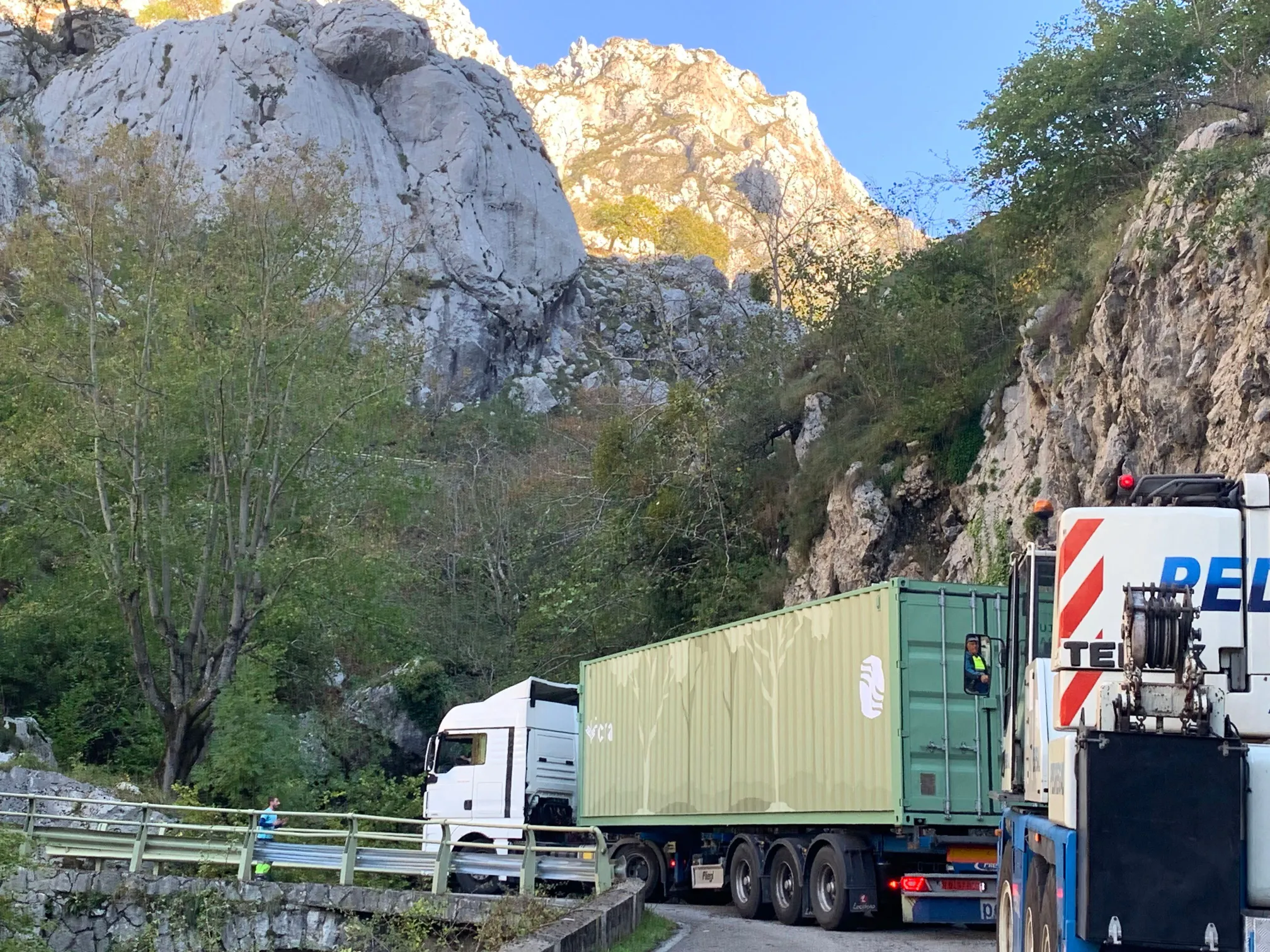
The territory, however, remains the same: scattered farms, mountains, difficult access and limited available land. At the same time, some traditional outlets for slurry and whey have declined. Solutions that worked for decades are no longer always enough, and new ways of collecting, managing and using these resources, adapted to rural reality, are needed.
The sector has changed, but it remains essential to the territory. Traditional ways of managing its organic flows are no longer always enough. The Cabrales Project was created to develop new solutions adapted to that reality.
This is the context in which the Cabrales project emerges
Agrolinera has developed infrastructure to digitalise the collection of whey and slurry and to know their condition from source.
The aim is to make them easier to manage and to preserve their valorisation potential, responding to a complex need of the territory.
The project is planned in three phases, so that each one builds on the previous one.
1
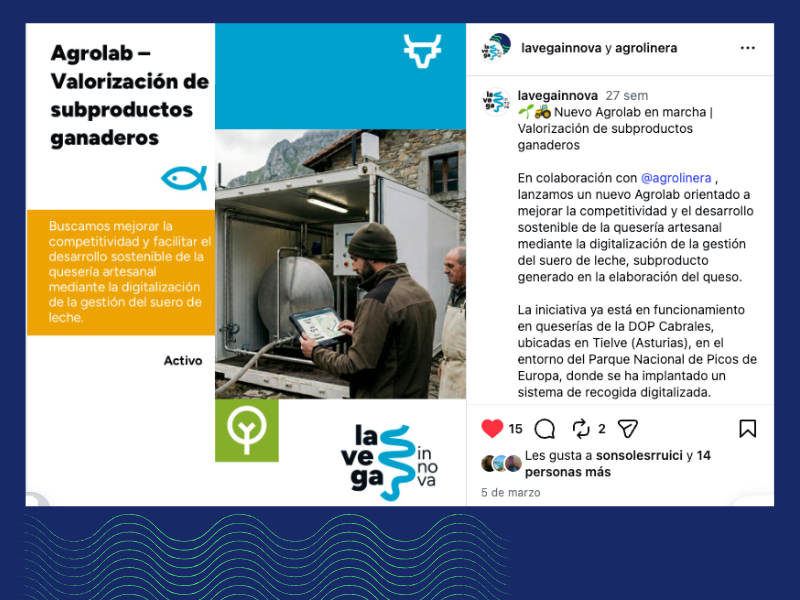
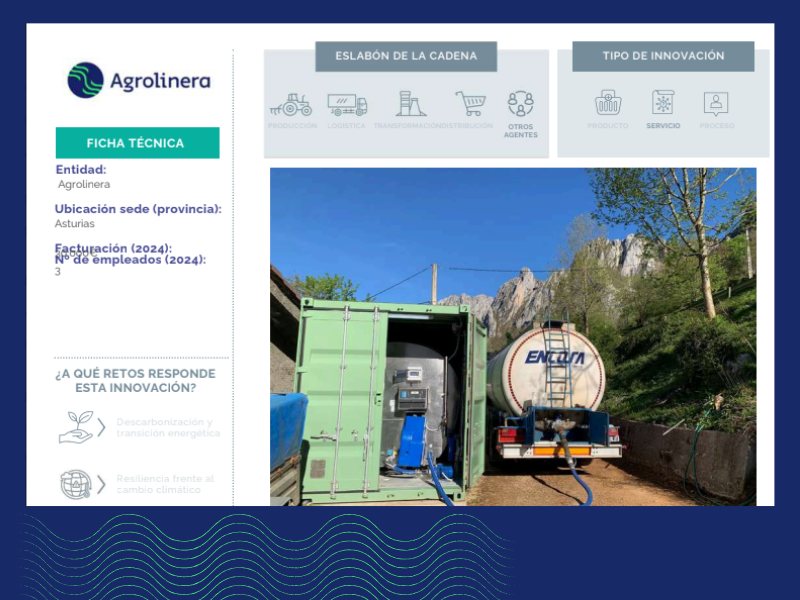
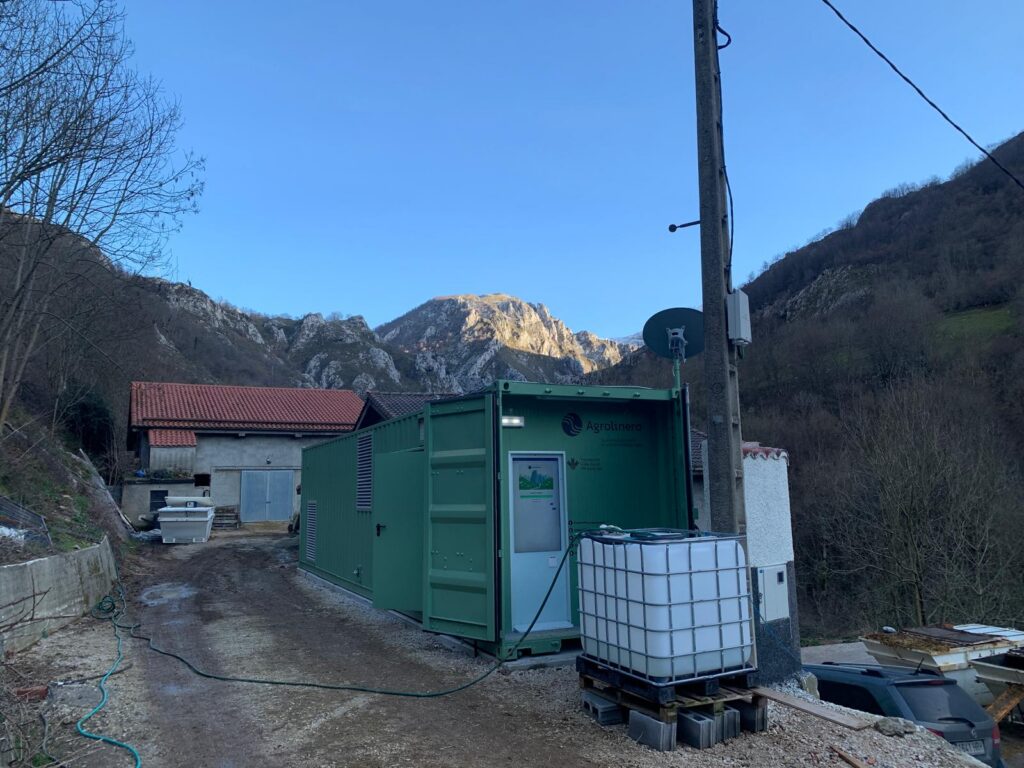
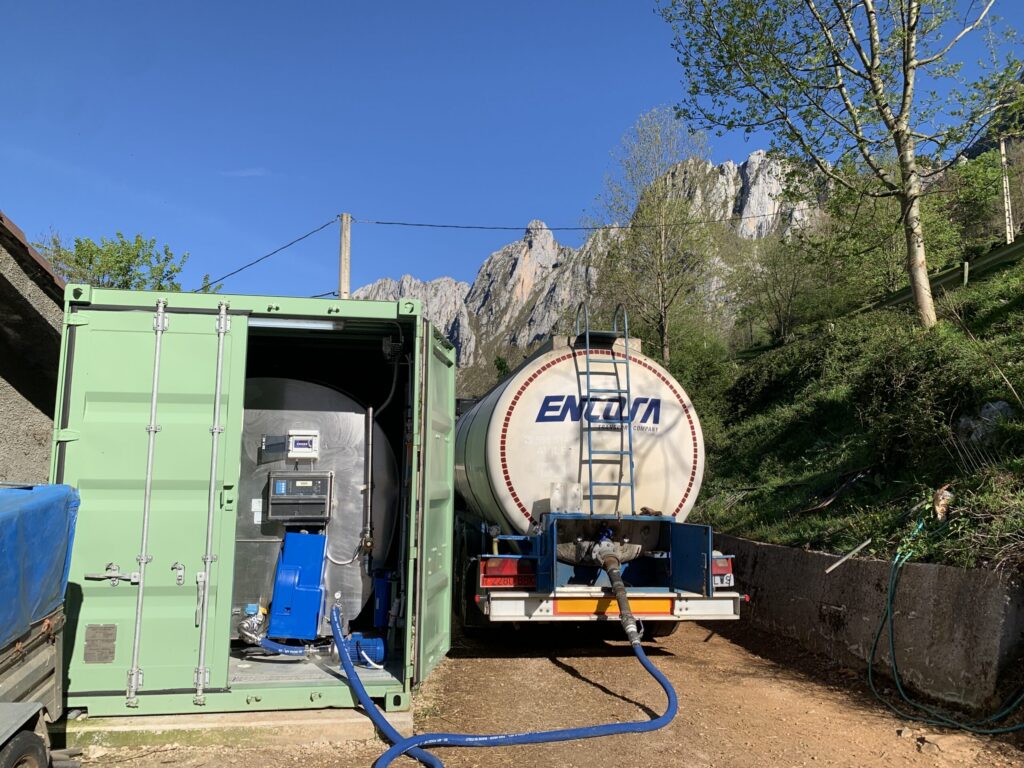
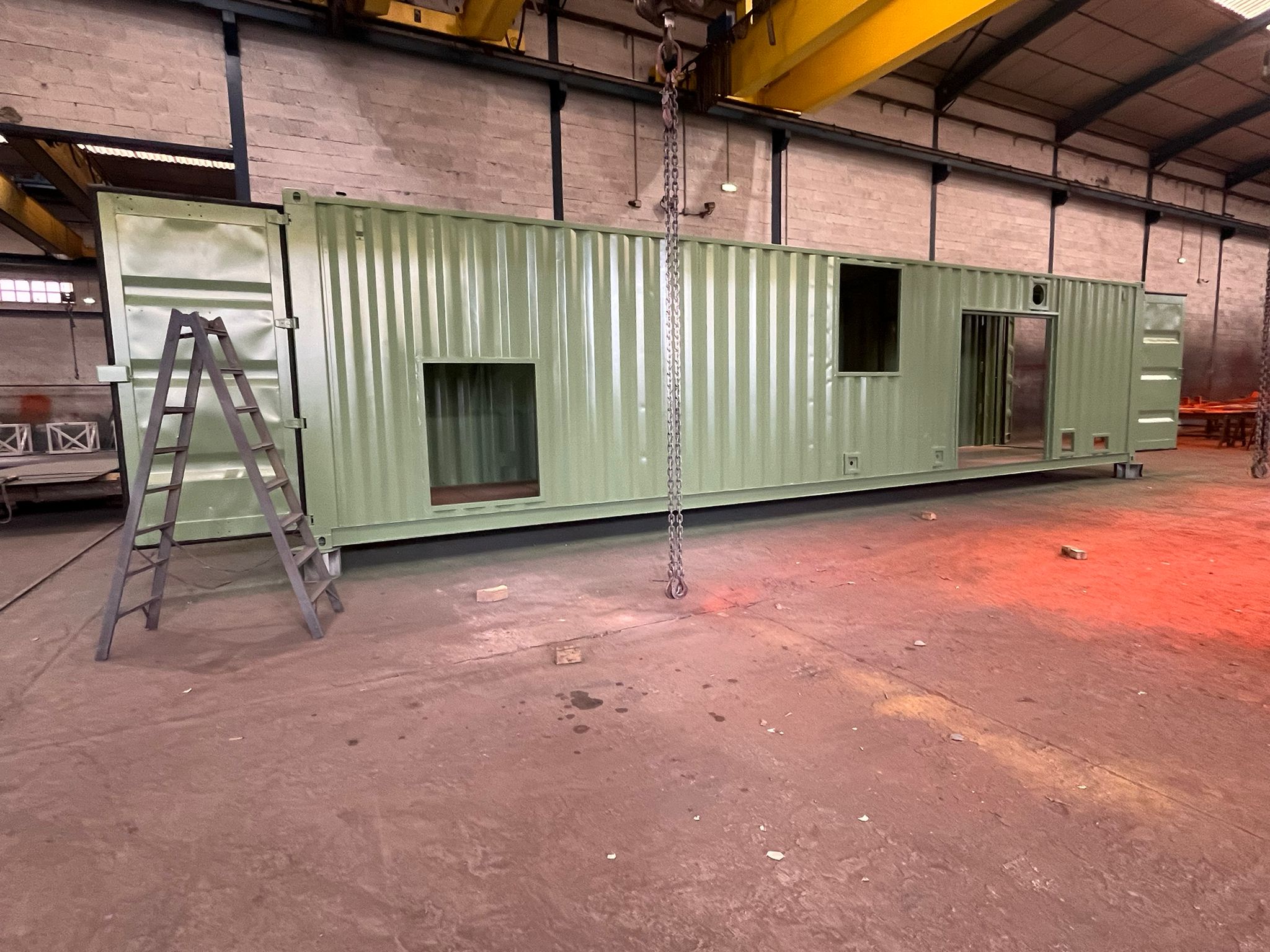
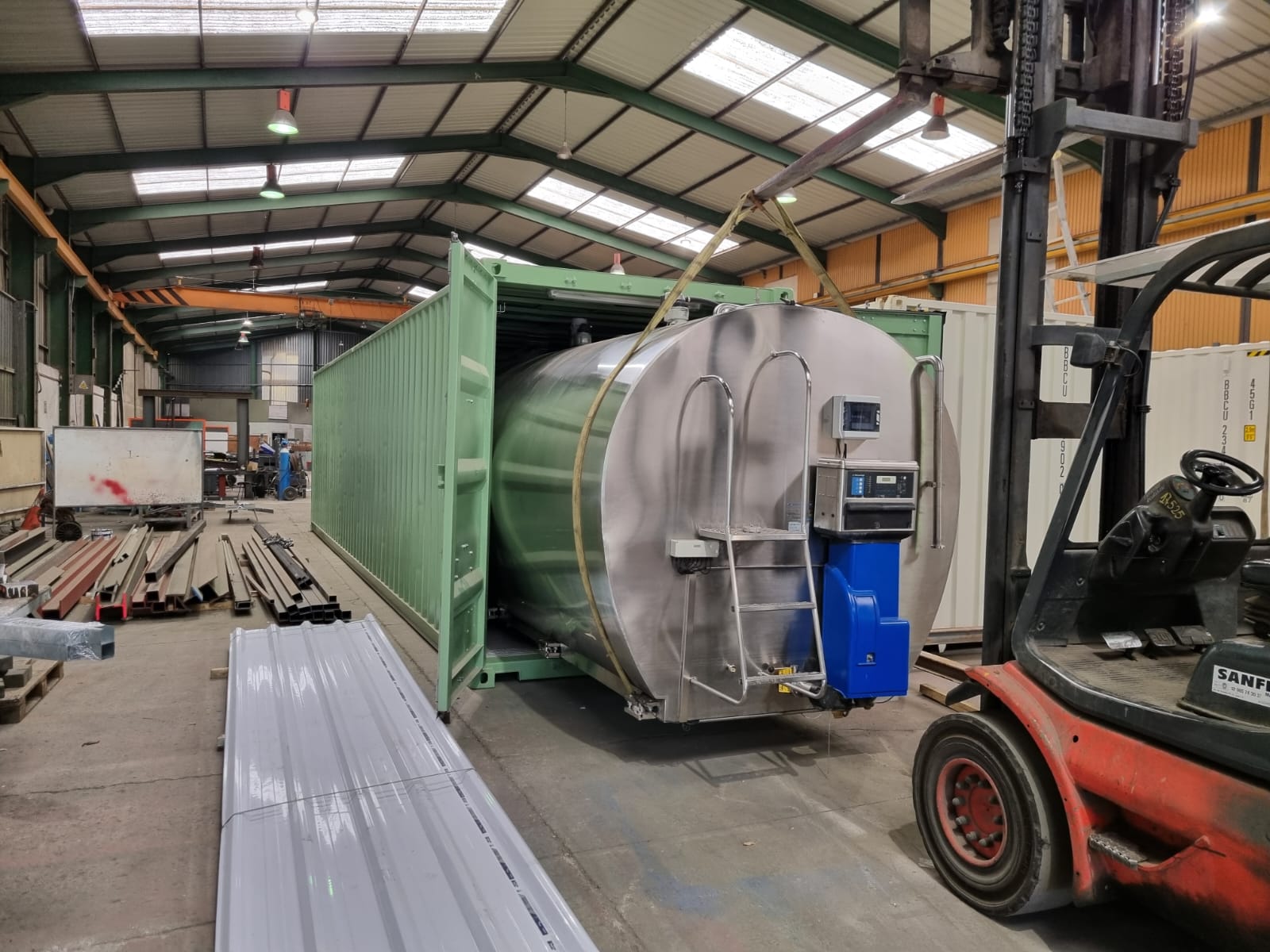
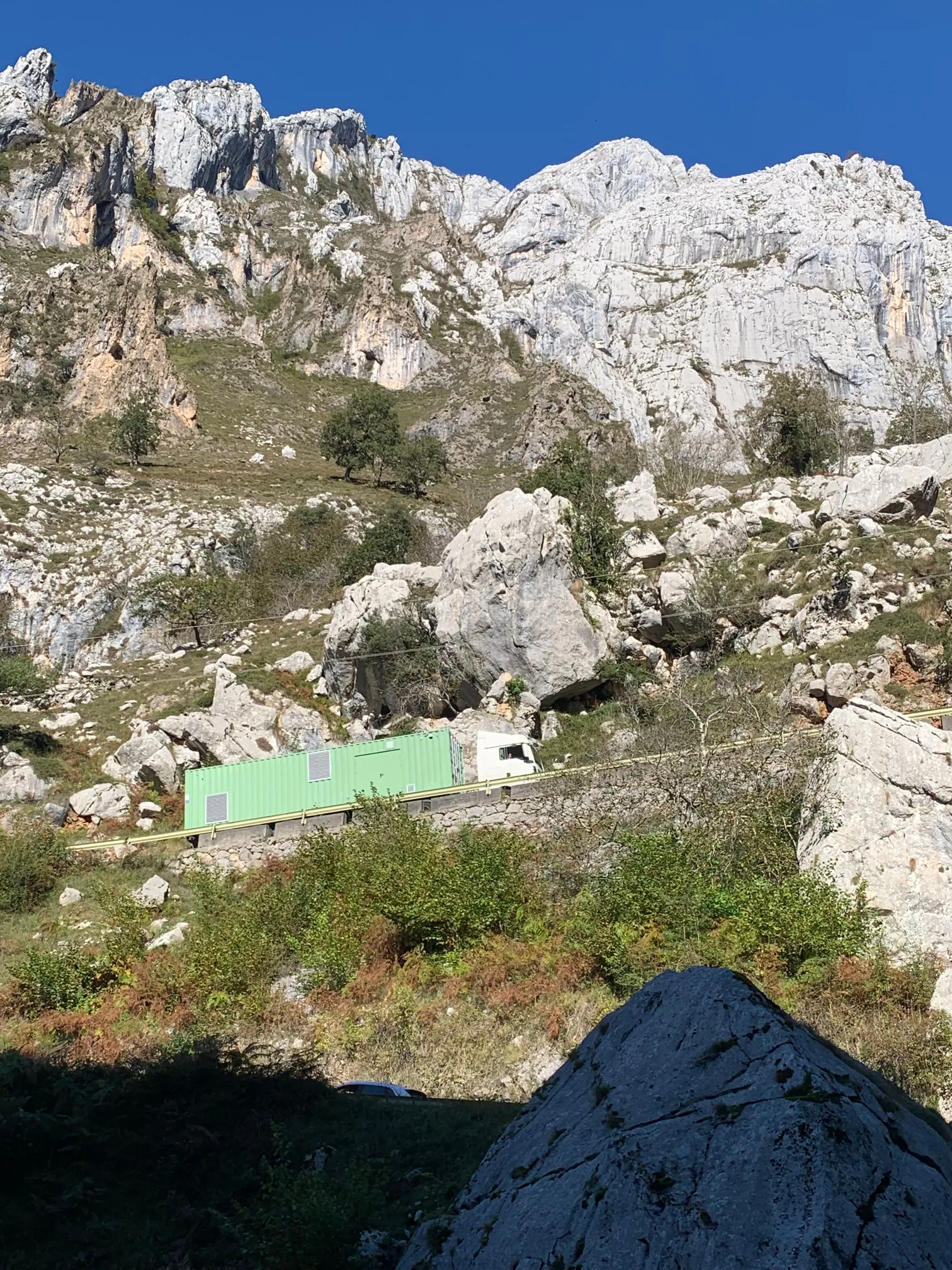
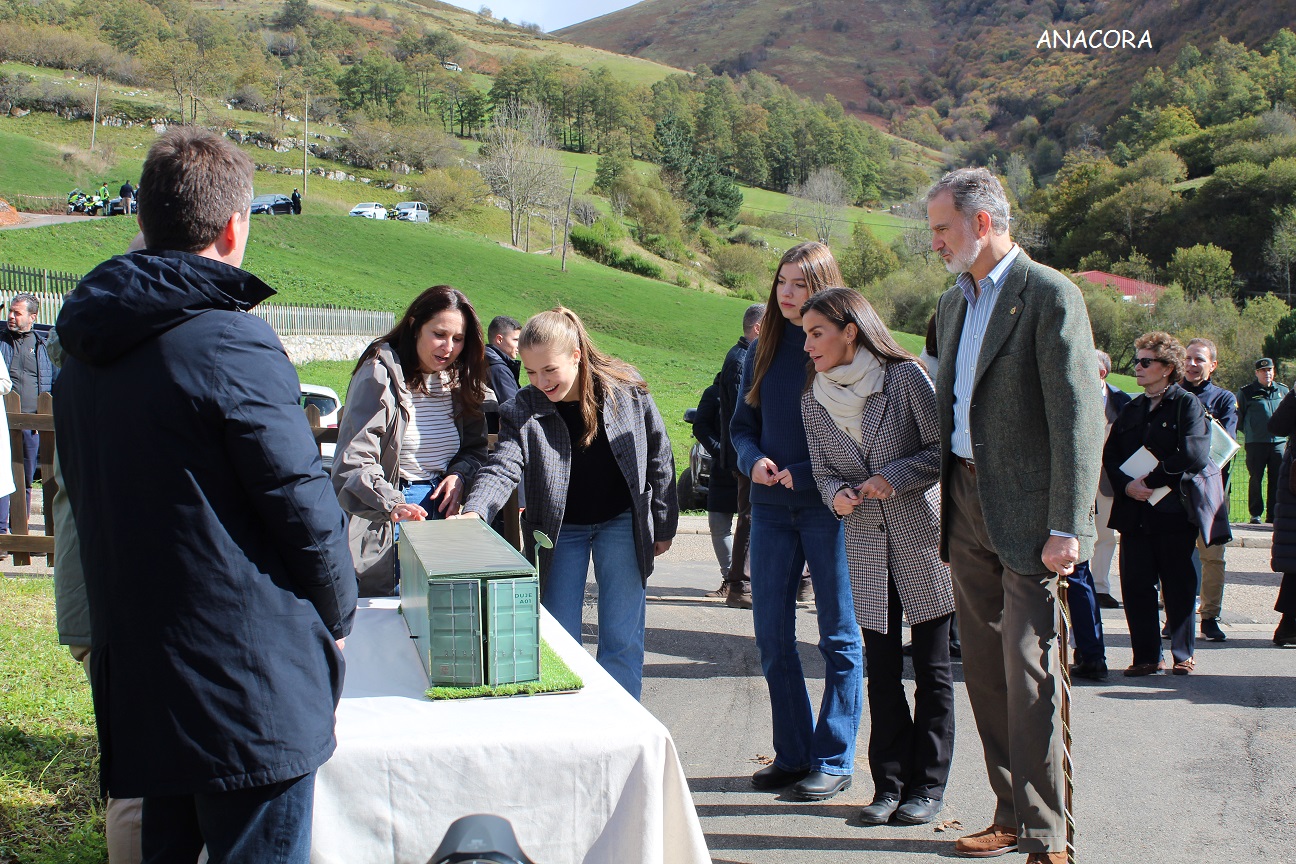
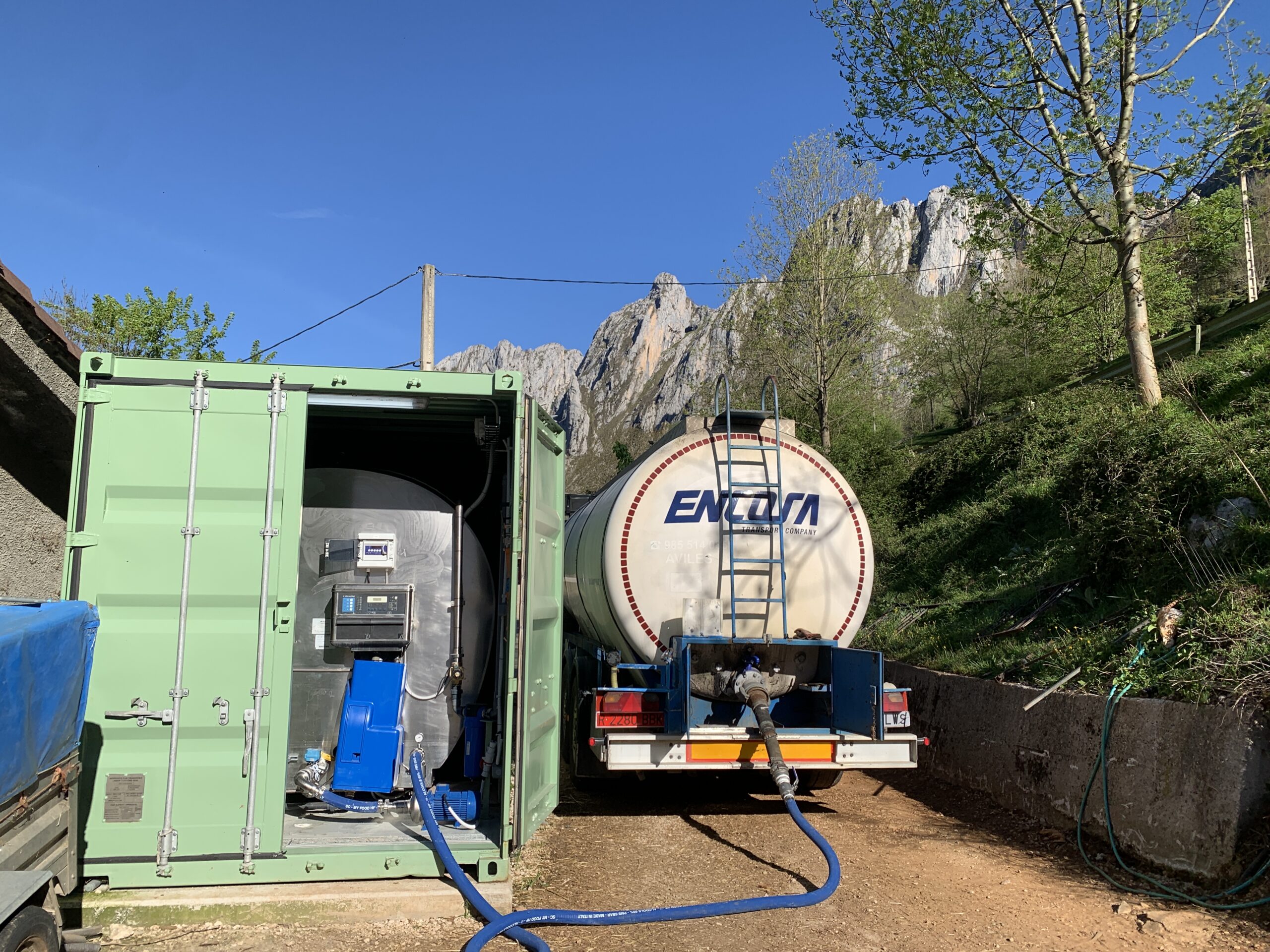
This first phase is already under way: whey is collected from cheese dairies using equipment adapted to small farms and mountain terrain.
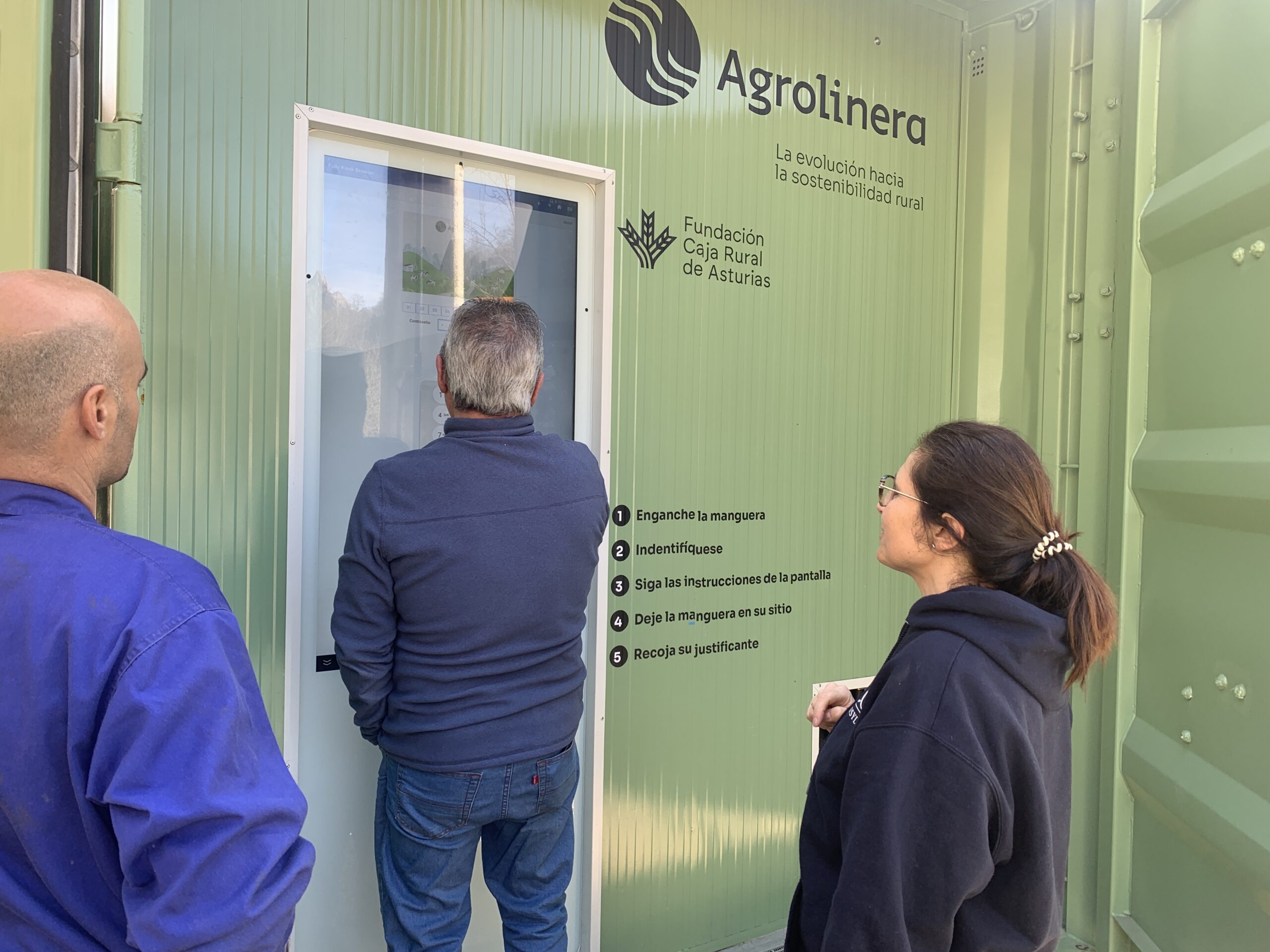
This equipment is connected to a digital platform that shows its status and records information on the flows collected. This allows Agrolinera to organise collection better, optimise routes and generate traceability from source
2
As more cheese dairies and farms join, the system will make it possible to pool volumes and organise their collection more efficiently.
The aim is to create a network of collection points close to producers, centralising by-products and making their subsequent valorisation viable.
This phase is important because it will provide a better understanding of how much is generated, where and how often, and use that information to design logistics adapted to the reality of the territory
3
Once collection is organised, the project envisages a third phase: treating certain by-products locally through anaerobic digestion.
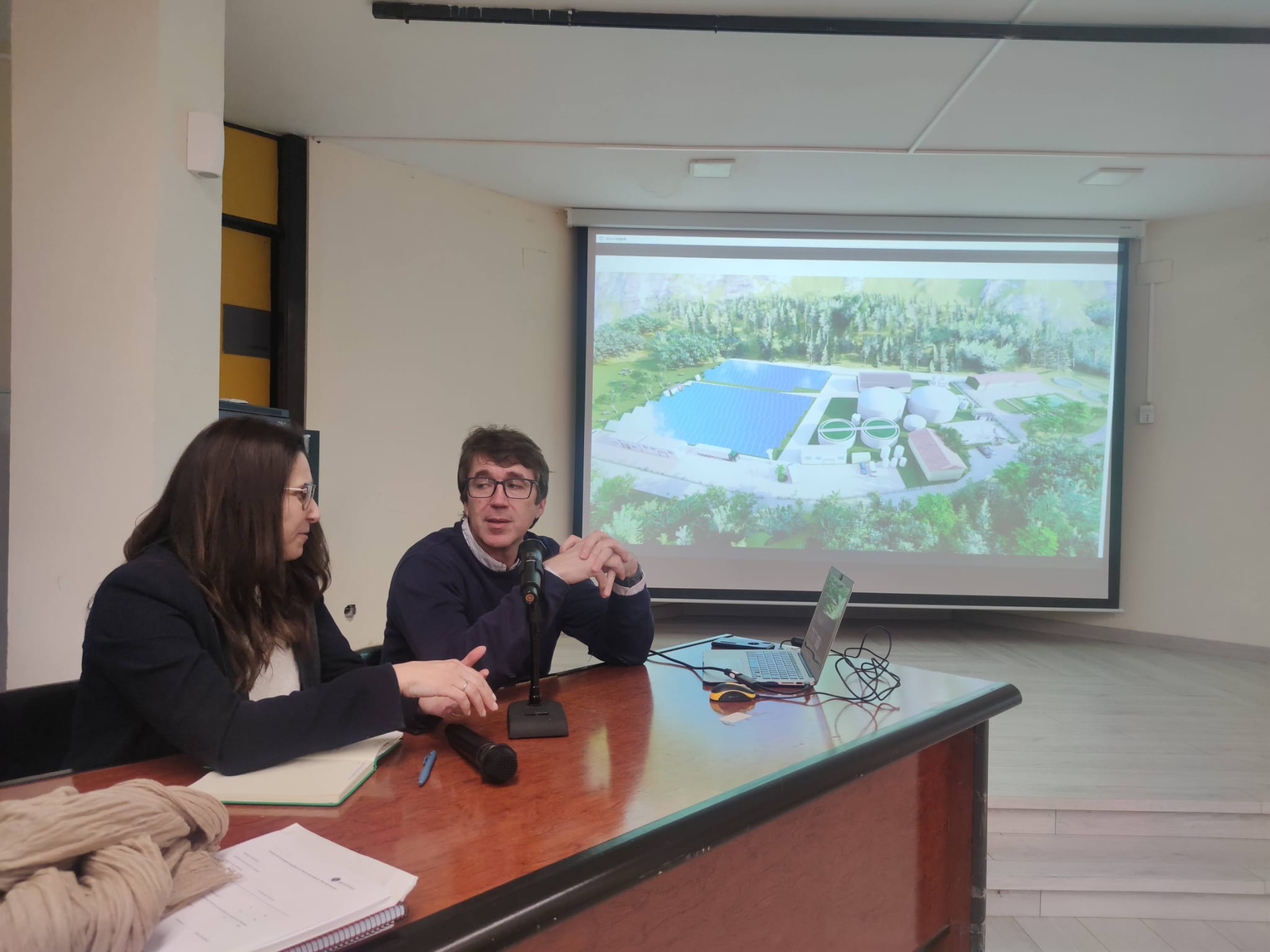
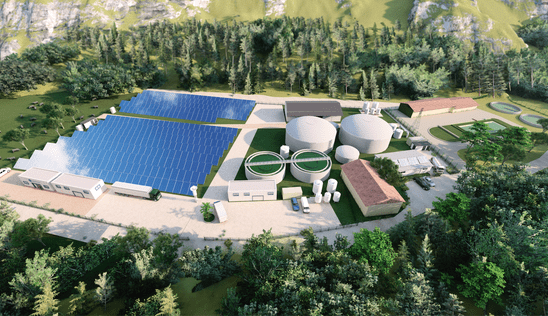
This phase includes the future Pescandi plant, which would mainly treat livestock slurry and other organic flows collected in the area.
The process would produce biogas and other recoverable products, so that part of the value of these by-products stays in the territory.
The plant is not the starting point of the project but the final stage of a system that has already begun in the cheese dairies and livestock farms and that seeks to turn these resources into new opportunities. This is how Pescandi Circular came about
Gallery
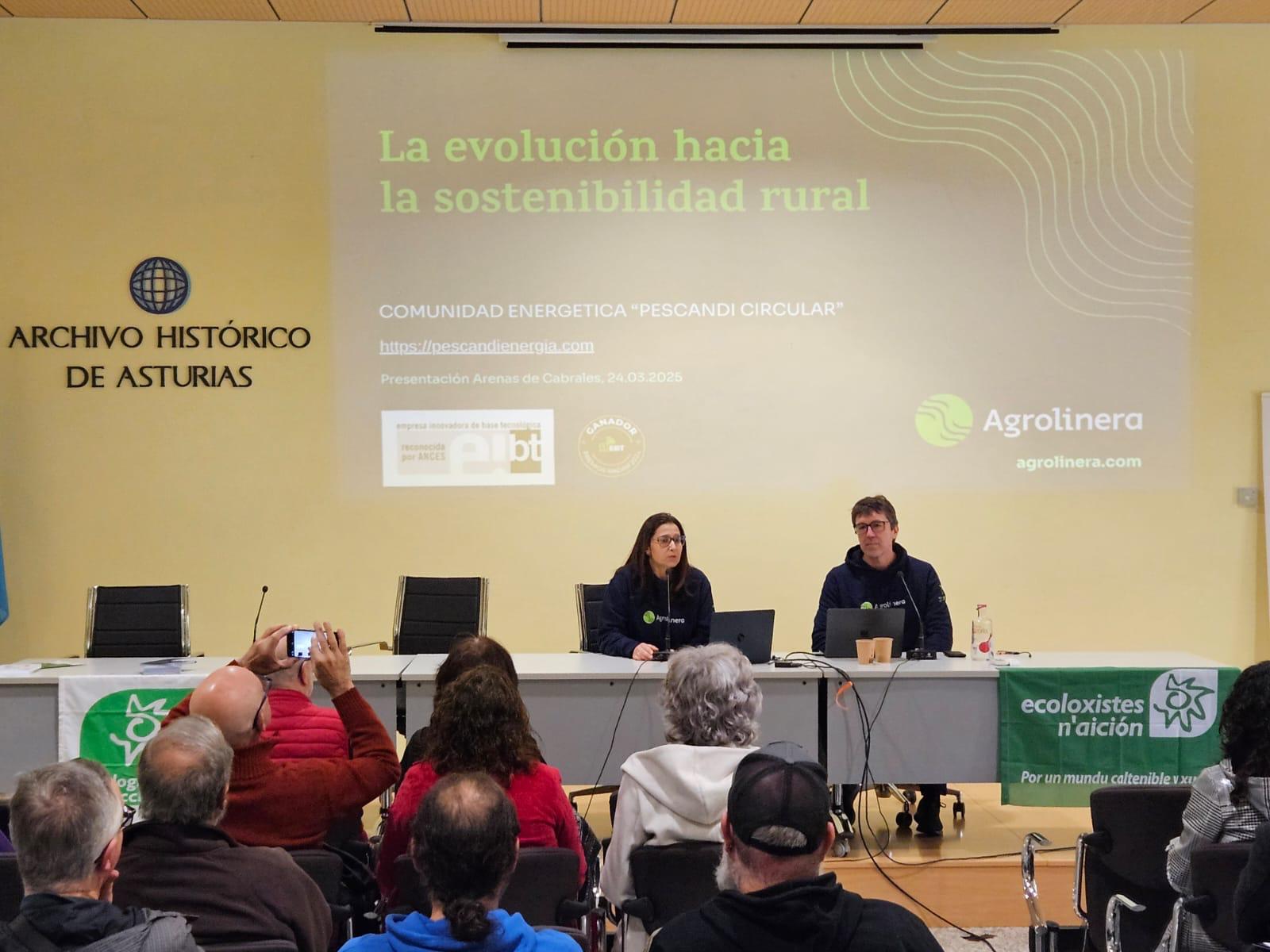
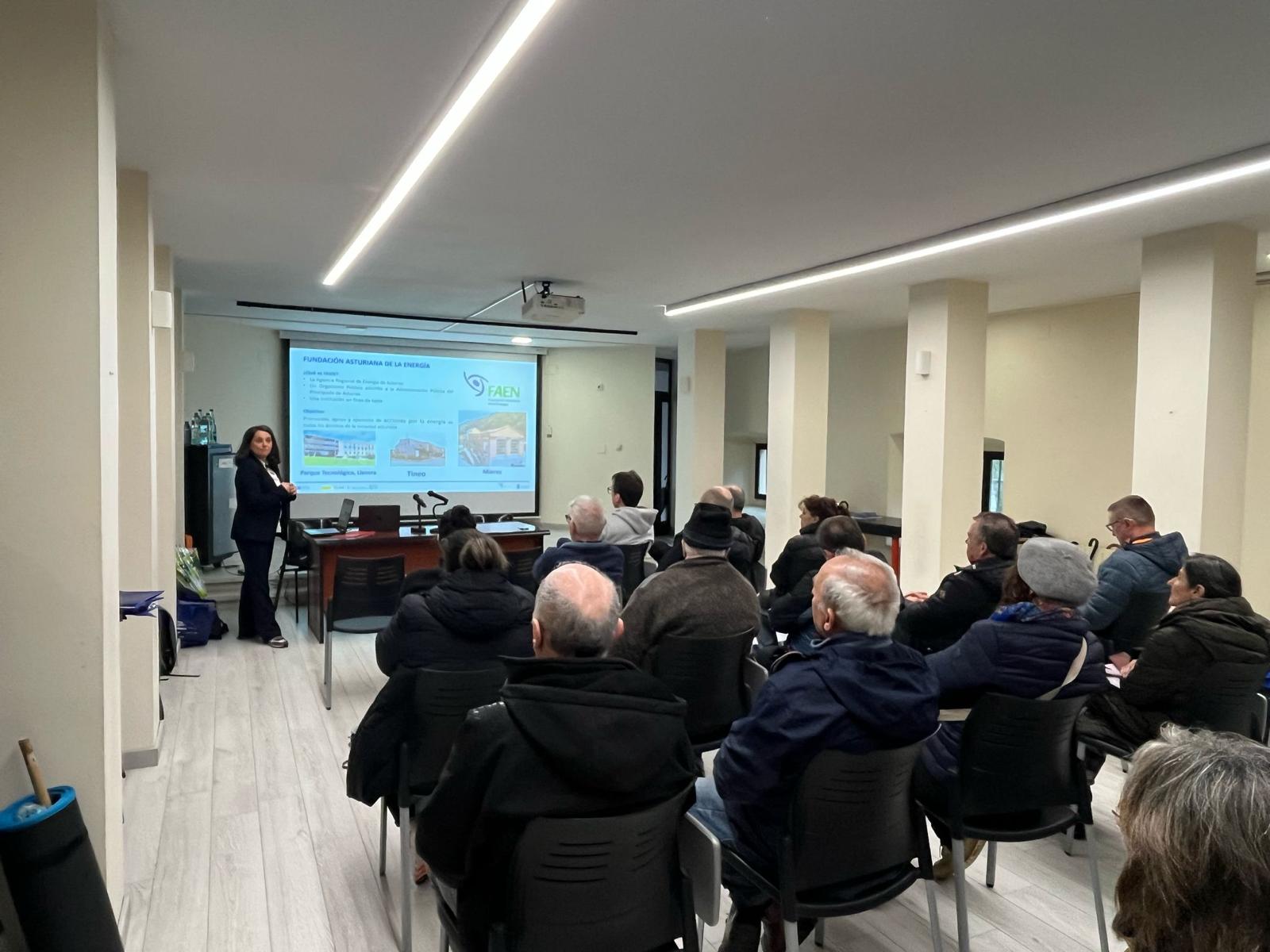
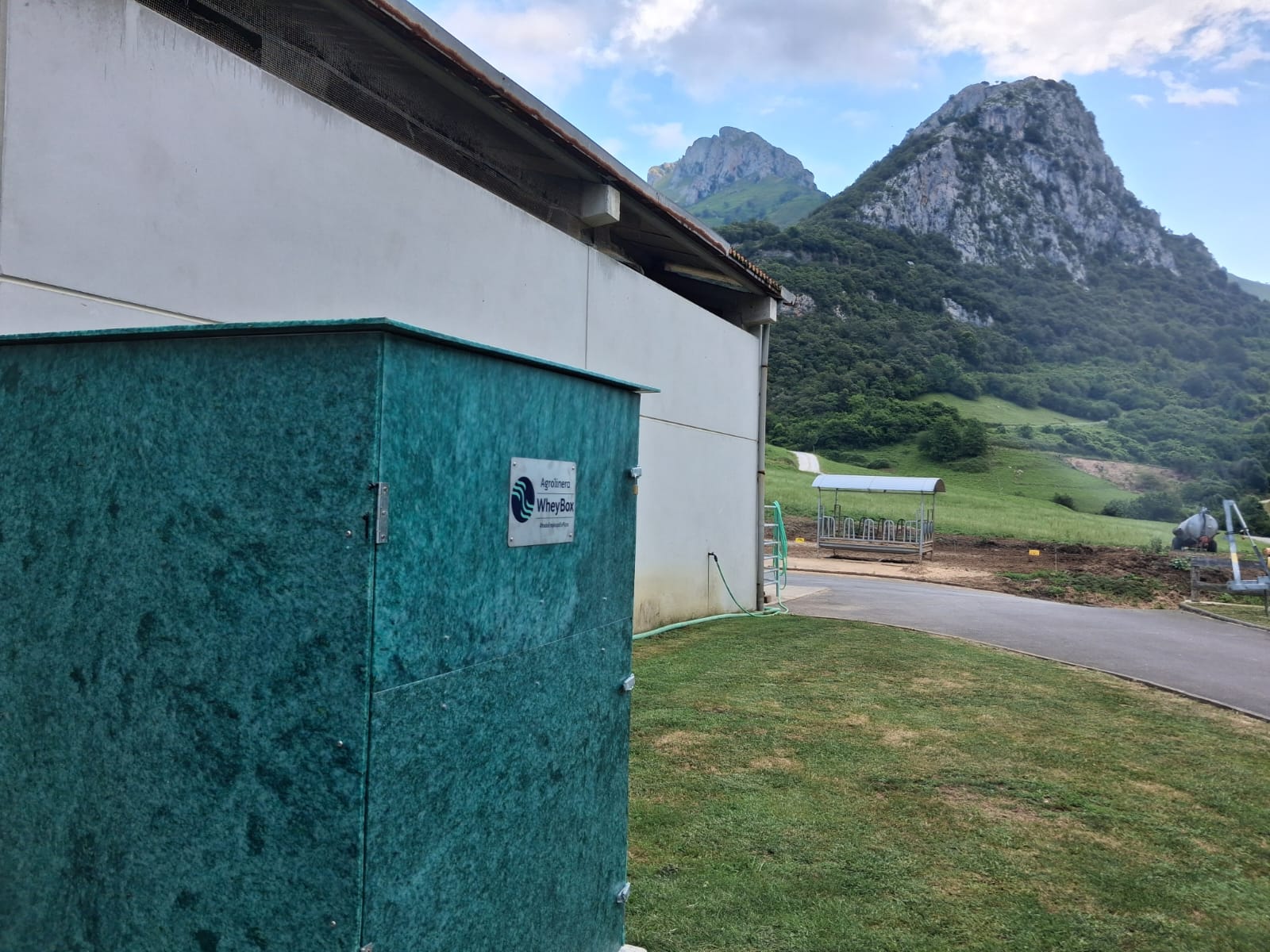
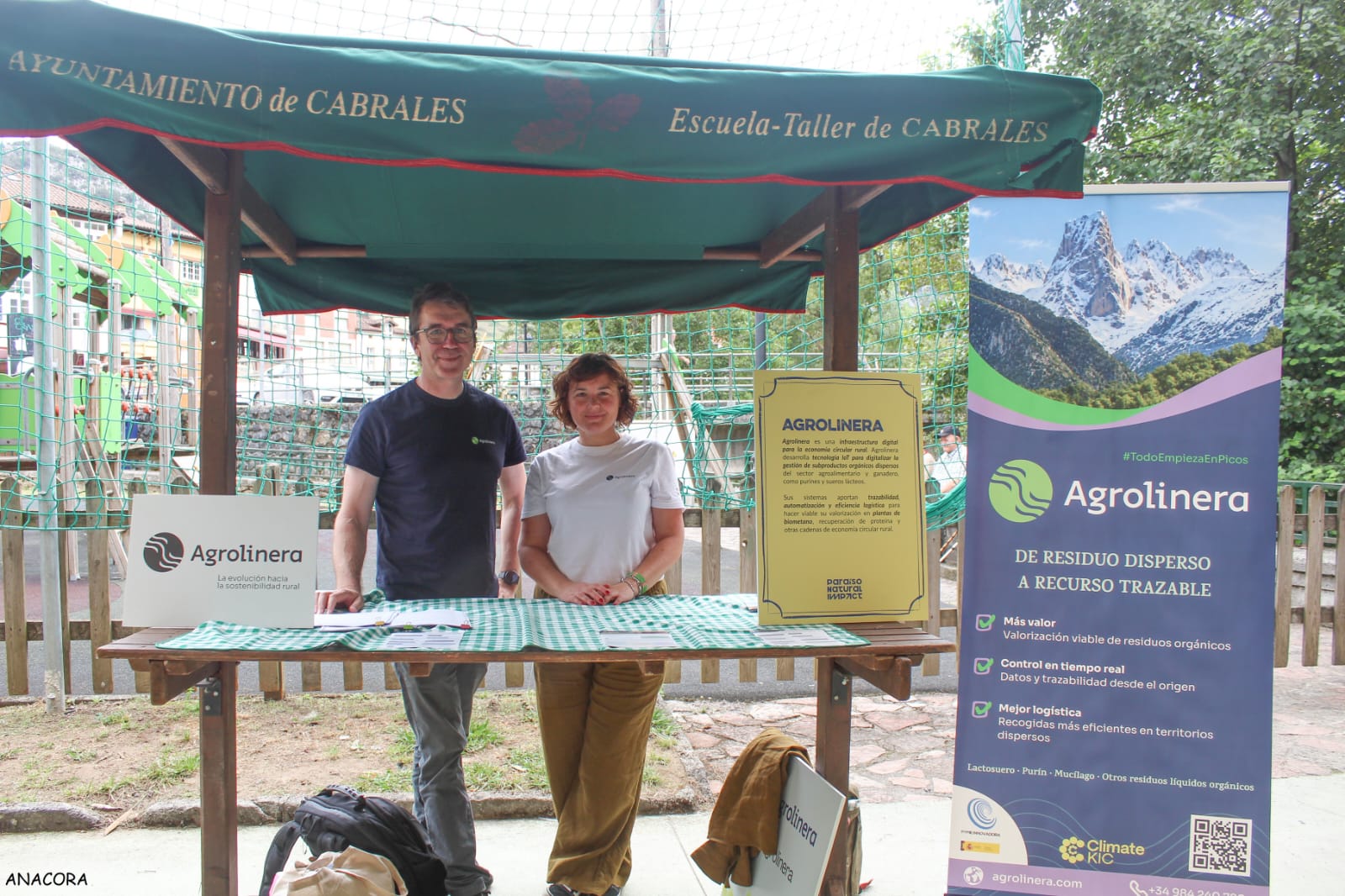
Official recognition
Circular economy
It is a circular economy initiative that seeks to respond to a challenge we all share: finding a modern, safe and responsible way to manage the slurry and whey generated by livestock farming and cheesemaking, two of the pillars of the Cabrales economy alongside tourism.
To reconcile the future of livestock farming and cheesemaking with residents’ wellbeing and tourism development, improving the environmental quality of the area and reducing current impacts.
Pescandi Circular is a project that starts where the by-products are generated and sets out to organise their collection, control the process and, progressively, find the best way to make use of them.
It comprises 3 phases: collecting the by-products in an organised way (already under way), pooling them and optimising their logistics, and finally valorising them in a treatment plant.
Capacity
The facility would have a maximum capacity capped at 99 tonnes per day. This means between 4 and 7 lorries, depending on whether they carry 15 or 25 tonnes. In any case, this is well below the current traffic of tankers and containers that transport and spread these by-products, and with controlled, organised logistics to make it efficient.
Air quality
The design would include containment, extraction and air treatment systems to minimise odour emissions and comply with the applicable environmental limits and conditions.
Proximity
Slurry would be collected only from nearby areas, prioritising the most environmentally sensitive ones, while whey could also come from neighbouring municipalities (Onís and the eastern part of Cangas de Onís) to be used for energy and feed.
A real problem
Pescandi Circular seeks to solve a real problem that already exists, and does so with technology and respect for the environment. Facilities of this kind operate in various European livestock regions, in settings where farming, local communities and tourism coexist.
Energy community
In addition, the project is considering becoming part of a local energy community, designed so that residents and businesses in Arenas can benefit directly from the renewable energy generated, through discounts on their energy consumption.
This project was born in Asturias, with a commitment to our rural world, to the sustainability of this unique territory and to respect for the people who live in it.
Our criterion for driving it forward is clear: any solution implemented in Cabrales must represent an improvement on the current situation and be developed with full technical and environmental safeguards, always taking the territory into account.
External recognition
Frequently asked questions
It is a circular economy project to collect livestock waste and dairy whey and turn them into:
Around 10,000 L of whey are generated in Cabrales every day, 3,000 L of which are generated within the Picos de Europa National Park. With this project, 100% of that whey can be put to use.
Later on, whey from other cheese dairies in the rest of Cabrales, Onís and Cangas de Onís will be included, along with slurry from farms in the most environmentally sensitive areas of Cabrales.
The Pescandi Circular project includes the creation of an energy community called “Pescandi Energía”, open to all residents of Arenas de Cabrales and the surrounding area who meet the distance requirements set by the regulations (currently 2 km from the plant’s connection point). This energy community would promote an 800 kW photovoltaic plant and, once the biogas plant is operating, would hybridise its output with electricity generated from the biogas produced by livestock and dairy waste.
Because here, traditional waste management is no longer sustainable.
Although there is less livestock farming than in other areas, there is very little arable farming and a large share of the land falls within the National Park. This means that, as farms and cheese dairies grow, more waste is generated than the land can absorb. Spreading it here creates many more problems than elsewhere, but as there are no alternatives, it has to be done.
Without livestock farming and cheesemaking, nature tourism in this area has an uncertain future. A stable population and year-round activity are needed to maintain the infrastructure, the landscape and the distinctive appeal of Cabrales as a tourist destination.
The sustainability of Cabrales’s economic model depends on tourism and livestock farming developing in a harmonious and sustainable way. That is why waste management needs to be transformed to make it affordable and respectful of the environment.
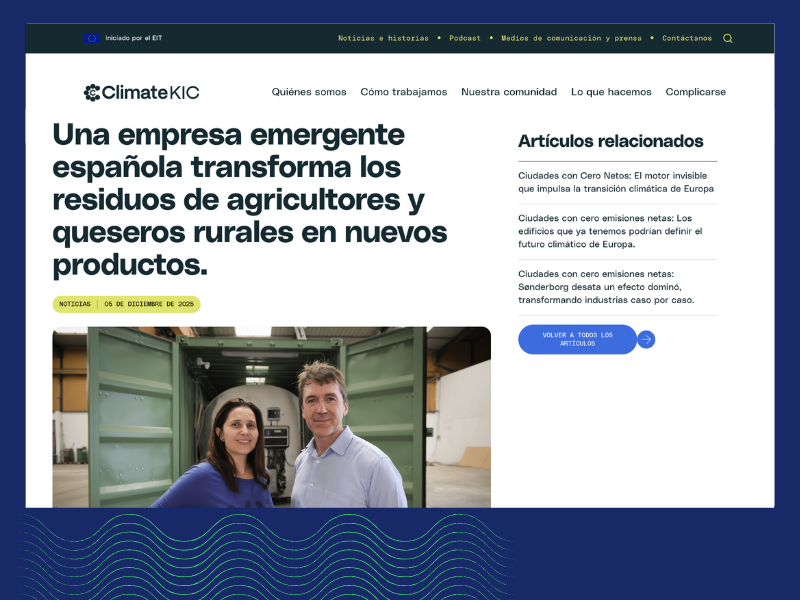
Agrolinera is an Asturian company founded in Salas (Asturias) in 2022 by Verónica and Juan, economists with extensive international experience in digitalisation and environmental management.
They are supported by a small but mighty team of engineers, IT specialists and food technology experts.
Agrolinera develops the technology and the model for managing, collecting, monitoring and tracing by-products, and acts as the project’s promoter. The design, construction and operation of any facilities required are carried out with accredited engineering firms, technology suppliers and specialists
In three successive phases. Each one stands on its own and builds on the previous one.
Phase 1 (already operational): Proof of concept. In this phase, the system was developed to manage whey collection from the Cabrales PDO cheese dairies located in the Picos de Europa National Park. The system prototype is currently operating in Tielve.
Phase 2: Extension of the whey collection service. In this phase, the whey collection service will be extended to the rest of the Cabrales PDO cheese dairies, and also to the Gamonéu PDO and other cheese dairies in the area, pre-treating the pooled volumes to reduce costs. Equipment currently being prototyped will be used.
Phase 3: Local valorisation. This involves building an anaerobic digestion treatment plant in Pescandi so that livestock slurry from the area can also be treated without having to send it to distant treatment sites. The energy obtained in the process will be used to reduce the cost of treatment.
In parallel, an energy community, “Pescandi Energía”, is being promoted in Arenas de Cabrales so that businesses and residents of Arenas can share in the project’s benefits.
In addition, Agrolinera is carrying out a Research and Development project with the Asincar Technology Centre and Hidritec Water Systems to identify the optimal whey collection conditions for obtaining an economically viable commercial product.
Anaerobic digestion was proposed after studying different alternatives because it allows certain organic streams to be treated together, recovers energy and nutrients, and reduces the need to transport these materials to distant facilities.
Its final viability in Cabrales will depend on the technical, environmental, economic and planning conditions resulting from the project’s approval process.
The proposed site is in Pescandi, next to the Arenas de Cabrales wastewater treatment plant (EDAR) and more than 1 km from the town centre.
Anaerobic digestion was proposed after studying different alternatives because it allows certain organic streams to be treated together, recovers energy and nutrients, and reduces the need to transport these materials to distant facilities.
Its final viability in Cabrales will depend on the technical, environmental, economic and planning conditions resulting from the project’s approval process.
Being pioneers of an innovative, sustainable model that can be replicated in other rural communities:
Agrolinera has received public funding to develop its technology and its R&D projects, as well as support from private organisations committed to innovation and rural development. This funding supports specific technology development activities and does not mean that the operational viability of the project depends on grants.
Agrolinera is the promoter of Pescandi Circular. Our team has previous experience in promoting and developing various renewable energy projects, as well as experience in environmental management, logistics, digitalisation and supply chains.
As promoters, our job is to drive and coordinate the project as a whole: starting from the real needs of the territory, studying its viability, defining the solution, coordinating the various specialists involved and taking it through the approval and development process.
This does not mean that Agrolinera designs or builds a biogas plant on its own. A project of this kind needs teams specialised in different disciplines. That is why we work with engineering firms, technology suppliers and specialists with specific experience in designing, building and operating this type of facility.
Our role is to make all these pieces fit together to develop a solution adapted to Cabrales and respond to a need of the territory.
The project has raised concerns among some residents of Arenas de Cabrales.
The issues raised include the location, the associated traffic, possible odours and noise, safety, the impact on the landscape, the proximity to tourism activities and the planning approval process.
We consider it legitimate for these issues to be examined. The technical and environmental documentation should make it possible to determine what impacts exist, how they can be prevented or minimised, and whether the proposed solution can be developed with full safeguards.
At times, this project is compared with others that, because of their size, approach or location, are not representative of “Pescandi Circular”
This plant will reduce electricity costs for members of the Arenas de Cabrales Energy Community, reduce the carbon footprint of local livestock farming and cheesemaking, generate clean and affordable energy, turn local waste into energy and agronomic resources, and recover water that will be returned to the River Cares.
Above all, it will help livestock farming coexist with tourism and residential life, by removing the need to spread livestock slurry on the little land available, which currently causes pollution and odours.
And it will achieve this while reducing costs for local livestock farming and cheesemaking, turning Cabrales into an example of sustainability and circularity for other livestock communities in Europe
Anaerobic digestion uses microorganisms to break down organic matter in an oxygen-free environment at a temperature of around 38 degrees. In this way, the microorganisms digest the waste and produce:
Biogas, made up mainly of methane, CO2 and water
Digestate, a mixture of water rich in nutrients for the soil and crops.
The biogas is treated to remove harmful particles, such as hydrogen sulphide and volatile organic compounds, and can then be used to generate heat or electricity from the methane it contains. In other, larger plants, biogas can be purified in a process called “upgrading” to obtain biomethane, a gas chemically identical to natural gas but of biogenic rather than fossil origin.
The digestate, for its part, can be used as an agricultural fertiliser. In our case, we will remove the surplus water, which will be treated in tanks to remove excess nitrogen through aeration so that it can be discharged via the wastewater treatment plant (EDAR). The solid part is an excellent soil improver that meets agricultural specifications
The plant, together with the collection system, will help mitigate greenhouse gas emissions in several ways:
In addition to environmental and administrative requirements, a facility of this kind must comply with the industrial safety regulations applicable to its design, construction, commissioning and operation.
The final engineering design must identify the risks associated with each process and establish the corresponding prevention and protection measures. Among other aspects, the following must be analysed where applicable:
These measures must be set out in the technical project and be subject to the relevant checks, inspections and authorisations before commissioning.
The viability of the project therefore does not depend solely on getting through the planning or environmental approval process. It must also demonstrate compliance with the required technical and industrial safety requirements before it can be built and put into service.
Collection is not conceived as conventional logistics based solely on periodic routes. The project incorporates the digitalisation and monitoring systems developed by Agrolinera to know the status of collection points and schedule pick-ups according to actual needs.
The equipment installed at farms and premises makes it possible to monitor parameters such as fill level and, depending on each unit’s configuration, other variables related to the condition of the by-product. This information makes it easier to:
The aim is for collection to be more frequent, predictable and efficient, reducing both the time by-products remain in storage and unnecessary journeys.
The traffic figures used in planning are a design estimate. Actual operations will be organised using Agrolinera’s monitoring and logistics optimisation systems, with the aim of adapting collections to available volumes and reducing unnecessary journeys.
Pescandi Circular is not conceived solely as a treatment facility. It is part of a model that integrates storage and collection equipment, sensors, remote monitoring, communications, material traceability and logistics planning tools.
The innovation lies precisely in connecting the scattered points where by-products are generated with their collection and valorisation system, using real-time or up-to-date information to make better decisions about when and how to carry out each pick-up.
This model seeks to solve one of the main problems of organic waste and by-products generated in a dispersed way in rural areas: collecting them efficiently before they lose quality or create storage problems.
It also makes it possible to generate a traceable record of the materials collected, which can be useful both for operational management and for the future verification of environmental and valorisation data.
The plan is to process slurry, whey and a small amount of sludge from the adjacent wastewater treatment plant (EDAR), which is non-industrial urban sludge.
The plant is designed to operate completely safely.
The waste and by-products received will be handled by pumping or in fully enclosed rooms equipped with multiple containment barriers and odour removal systems, such as rapid opening and closing systems, biofilters, etc.
Gases will be kept contained by negative-pressure systems, which prevent particles escaping from exposed rooms.
A covered safety flare will protect against overpressure inside the digester, to prevent the accidental release of gases during the process. Likewise, other safety features will protect against spills of process liquids.
The plant will have trained staff and emergency plans to handle any unforeseen situation safely.
The Pescandi Circular plant will turn waste from livestock farming and cheesemaking into valuable resources such as energy and fertilisers, which can be used in new value chains.
When it is converted into energy in a generator, biogas returns to the atmosphere the same CO2 that was originally captured by the plants that fed the livestock. Besides milk, this livestock produced the slurry that has now been turned into biogas.
That is why this process is described as circular: the CO2 released during combustion can be used again by agriculture, repeating the cycle, without adding any net CO2 to the atmosphere.
Pescandi Circular must complete several approval stages before it can be built. The project is currently at the Special Implementation Plan stage.
Below I would add just one clarification:
Each stage includes the relevant reports, studies and checks before moving on to the next. Construction of the project cannot begin until the approval process has been completed and the necessary authorisations obtained.
The Cabrales Project has been developed in phases, and communication has kept pace with that evolution.
The project has become more clearly defined over time and, with it, so has the information available. We intend to keep explaining each new stage, to make the available public documentation accessible and to maintain direct channels to answer questions and listen to any concerns that may arise.
If you have questions or concerns we have not answered, write to us via this link
If you have questions or concerns we have not answered, write to us via this link